
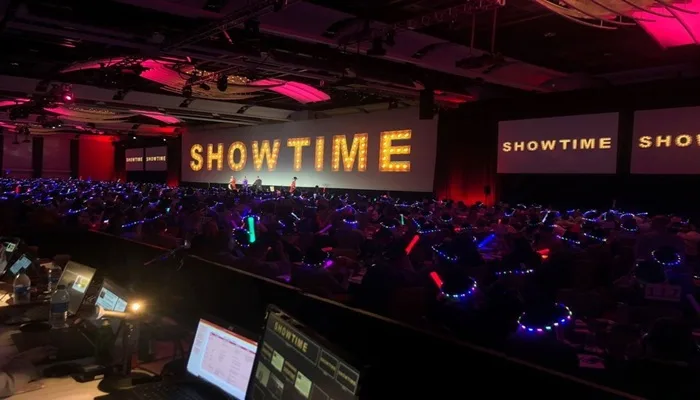
An empty event venue is much like a blank canvas, offering endless possibilities for creativity and innovation. What begins as an ordinary space can become an extraordinary environment that captures attention, encourages interaction, and creates lasting memories. Transforming a venue requires more than arranging furniture and installing decorations. It involves carefully combining lighting, sound, technology, spatial design, and creative storytelling to deliver a meaningful experience.
Whether organizing a corporate conference, product launch, exhibition, or business celebration, professional event production plays an essential role in bringing creative concepts to life.
The Concept of Event Transformation
Event transformation refers to the process of converting a basic venue into a carefully designed environment that supports an event’s purpose and atmosphere. Every element, from stage placement to lighting intensity, contributes to the overall experience.
A successful transformation begins with understanding the event’s objectives. Corporate conferences may require sophisticated audiovisual systems and comfortable seating arrangements, while product launches often benefit from dramatic lighting, interactive displays, and creative staging.
An experienced event production company in Boston can help organizations evaluate venue possibilities, develop production concepts, and coordinate technical elements that support the intended experience. This professional approach ensures that creative ideas remain practical while maintaining visual consistency throughout the event.
Creative Planning Sets the Foundation
Before equipment arrives or installations begin, event transformation starts with detailed planning. Production teams evaluate the venue’s dimensions, architectural features, electrical infrastructure, and accessibility requirements.
These assessments help determine how the space can accommodate staging, audiovisual equipment, audience movement, and interactive installations.
Creative planning also involves establishing a visual theme that reflects the event’s message. Colors, textures, digital displays, and structural elements should work together rather than compete for attention.
For example, a technology conference might incorporate minimalist stage designs, dynamic LED screens, and futuristic lighting effects. Meanwhile, a corporate awards ceremony may benefit from elegant backdrops, warm illumination, and carefully positioned presentation screens.
Lighting Creates Atmosphere and Visual Impact
Lighting is among the most powerful tools used in event transformation. A thoughtfully designed lighting system can completely change how attendees perceive a venue.
Soft lighting can create a welcoming atmosphere during networking sessions, while focused spotlights direct attention toward speakers and performers. Dynamic lighting effects can introduce excitement during presentations, announcements, and entertainment segments.
Modern lighting technology also allows production teams to adjust colors, brightness, and movement throughout an event. These transitions help distinguish different program segments without requiring major physical changes.
When lighting complements the event’s theme, it strengthens visual storytelling and makes the environment more engaging.
Audiovisual Technology Brings Experiences to Life
High-quality audiovisual production is essential for communicating information and maintaining audience attention. Clear sound, sharp visuals, and reliable presentation systems ensure that messages reach attendees effectively.
Large LED displays, projection mapping, digital backdrops, and immersive audio systems provide opportunities to create memorable presentations.
Projection mapping, for instance, can transform ordinary walls and architectural surfaces into animated visual environments. Similarly, strategically positioned screens can help audiences follow presentations regardless of their seating location.
However, technology should enhance the event rather than overwhelm it. Successful production teams select audiovisual solutions based on venue characteristics, audience expectations, and communication goals.
Stage Design Shapes Audience Engagement
The stage often serves as the visual centerpiece of a corporate event. Its design influences how audiences interact with speakers, presentations, and performances.
Traditional elevated platforms remain effective for formal conferences, but modern event production increasingly incorporates flexible stage layouts, modular structures, and interactive presentation areas.
Creative stage designs can include curved LED walls, illuminated platforms, customized scenic elements, and multiple presentation zones.
Audience visibility is equally important. Production teams must consider sightlines, seating arrangements, camera positions, and accessibility when developing stage configurations.
A visually impressive stage becomes truly effective when it supports clear communication and comfortable audience participation.
Immersive Elements Encourage Active Participation
Modern attendees increasingly expect experiences that extend beyond passive observation. Interactive installations, digital engagement tools, and experiential environments can encourage meaningful participation.
Touchscreen displays, interactive exhibits, augmented reality demonstrations, and personalized digital experiences allow visitors to explore information at their own pace.
For trade shows and exhibitions, immersive environments can help businesses demonstrate products in ways that traditional displays cannot achieve.
These experiences become particularly valuable when they connect directly to the event’s objectives rather than functioning as unrelated attractions.
Seamless Execution Turns Creative Ideas Into Reality
Even the most impressive event concept depends on effective execution. Production teams must coordinate equipment installation, technical rehearsals, vendor schedules, safety procedures, and live event operations.
Unexpected challenges, including equipment malfunctions or scheduling changes, require immediate attention. Detailed contingency planning helps minimize disruptions and maintain a professional experience.
Communication between event organizers, technical specialists, designers, and venue personnel is essential throughout the process.
Conclusion
Transforming an empty venue into an immersive experience requires a thoughtful balance of creativity, technology, and technical expertise. Lighting establishes atmosphere, audiovisual systems strengthen communication, and innovative stage designs create memorable visual experiences.
When these elements work together, an ordinary space becomes an environment that encourages engagement and reinforces the event’s purpose. Successful event transformation is ultimately about creating meaningful connections between people, ideas, and experiences that remain memorable long after the event concludes.